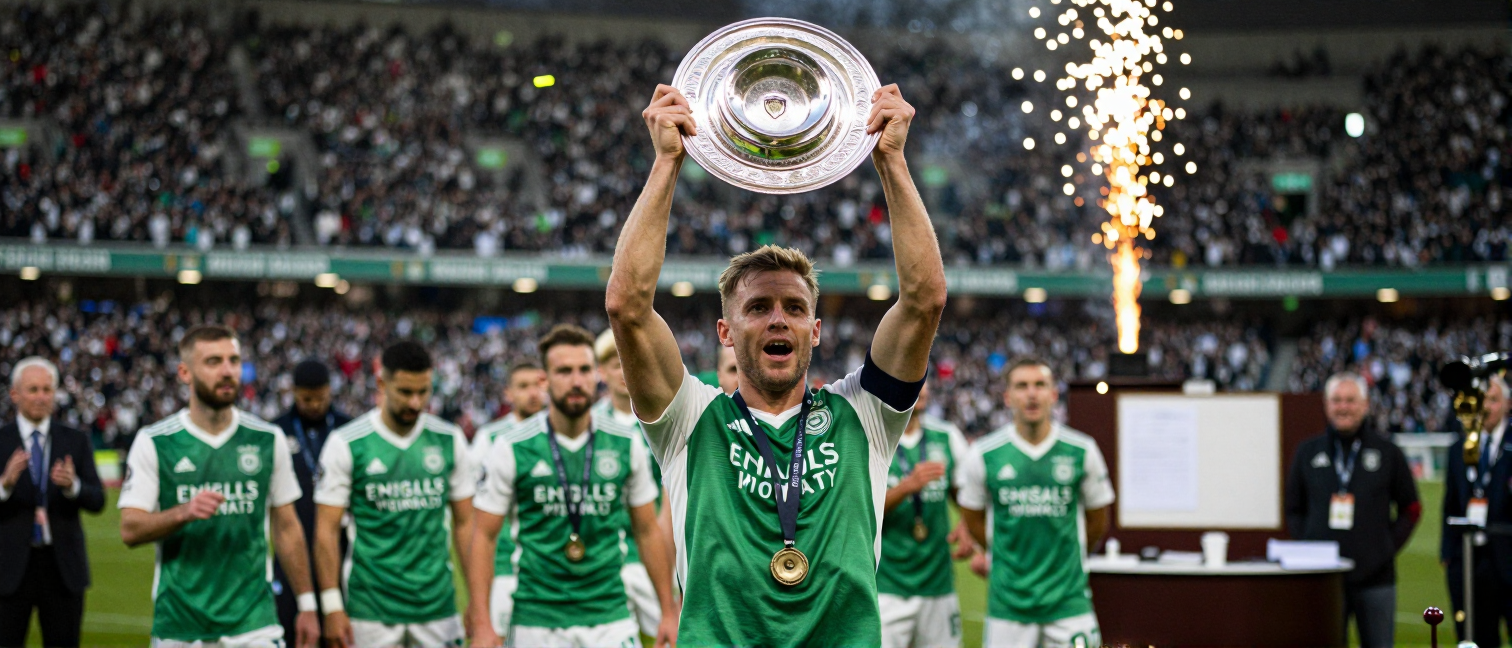
 Celtic Hub
Celtic is at a pivotal moment in their club's journey, where the need for a comprehensive rebuild isn't just about fresh faces on the pitch. The crux of the matter lies deeper, potentially at the very top of the hierarchy. As the summer transfer window approaches, fans are left questioning not only who will don the famous green and white hoops next season but also whether the leadership structure can support a new vision for success.
The Leadership Dilemma
The question of leadership at Celtic has been an undercurrent in discussions among supporters and analysts alike. The departure of Ange Postecoglou left a significant gap, and the appointment of his successor must align with the club’s long-term ambitions. A strong managerial figure is essential, but they must also be backed by a board that shares a cohesive vision for the club.
Recent performances have shown that tactical flexibility and adaptability are crucial. The club needs a manager who not only understands the game but can also foster a culture of resilience and innovation. Fans have echoed the sentiment that changes at the managerial level need to be complemented by shifts in the club's operational ethos.
Tactical Needs for the Future
Celtic's playing style has evolved under recent managers, but the squad still lacks depth in certain positions. The reliance on key players has exposed vulnerabilities, particularly when injuries or suspensions strike. For instance, without Kyogo Furuhashi or Reo Hatate, the team's attacking prowess diminishes significantly.
To ensure competitiveness in both domestic and European competitions, the recruitment strategy must focus on: - Quality over quantity: Targeting fewer, high-impact signings rather than multiple average players. - Youth integration: Bringing through talent from the youth academy to complement experienced signings. - Position-specific recruitment: Identifying weaknesses, particularly in defence and midfield, to ensure the squad is well-rounded.
What this means for Celtic
The implications of this rebuild extend beyond just player transactions; it impacts the fans' connection to the club. Supporters are eager to see a team that embodies the values of Celtic — determination, passion, and a commitment to winning. If the board fails to act decisively, it could lead to disenchantment among the fanbase, which has been evident in recent matches where attendance has dipped.
Moreover, the choice of manager will set the tone for the club’s direction. A charismatic leader can revive enthusiasm, while a lacklustre appointment could deepen the sense of stagnation. The fans deserve transparency and a clear strategy that promises a brighter future.
Fan Reactions: A Divided Opinion
The Celtic fanbase is passionate and vocal, with opinions often sharply divided regarding the club's current direction. Some believe that the club should focus on a complete overhaul, including new board members who can bring fresh ideas. Others advocate for stability, arguing that continuity at the managerial level is essential for long-term success.
Social media platforms have been rife with discussions, highlighting both optimism and frustration. Key reactions from the fans include: - Calls for a return to the club's attacking roots. - Demands for clearer communication from the board regarding the future. - A push for more local talent to be given a chance in the first team.
The Financial Aspect of the Rebuild
Rebuilding a squad isn't just about new players; it also requires financial acumen. Celtic's financial health will dictate how ambitious the summer transfer plans can be. With potential incoming revenues from player sales and European competitions, the club must balance investment with sustainability.
The financial strategy should focus on: - Maximising revenues through player sales, especially for those who might not fit into the new manager's plans. - Investing in scouting and analytics to identify undervalued players who can make a significant impact. - Ensuring that ticket prices remain accessible to maintain strong matchday revenues while enhancing overall fan engagement.
Counterpoint: The Stability Argument
Critics will argue that rather than a full-scale rebuild, Celtic should focus on enhancing the existing squad with a few key signings. They point to the successful development of players like David Turnbull and Cameron Carter-Vickers as evidence that the current management can still yield results. The flip side is that without addressing the leadership structure, any improvements might be short-lived, leaving the club in a cycle of mediocrity.
What's next
As the summer approaches, Celtic faces a defining period that could shape its future for years to come. The decisions made in the coming months will either set the foundation for a return to dominance in Scottish football or lead to further challenges ahead. Fans will be watching closely, hoping for a vision that resonates with the rich history and ambition of the club.
In conclusion, as we anticipate the upcoming transfer window, it’s crucial for Celtic to address both the immediate tactical needs and the broader leadership questions that impact the club's long-term success. The path forward should not only focus on player acquisitions but also on building an environment that champions excellence, both on and off the pitch.